Monster Essays: Dwarves
Added 2020-04-28 01:26:48 +0000 UTCNot a lot for this one! Dwarves were always around but very late to the setting's lore because I wanted them to stand out at all. Them having this vague, angry sort of samurai code that makes them come off as tsundere bullies really sold me on them.
Dylan Eywind
History of Interspecies Relations II
The Downlow. The History of Dwarves.
**A. A difficult subject to approach but handled delicately. Very glad to see you siding with the dwarves despite their conflicted past.**
Nearby neighbors of the gnomes, dwarves were among the other races discovered relatively late in the various races. The fact that both were living underground made them more difficult to locate, with the dwarves largely living closer to the surface and reaching us slightly before the gnomes. While many races remained hidden or isolated for various purposes, the underground races are among the most notably separated both physically and culturally.
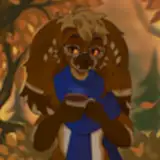
A dwarf is a small, stocky humanoid, standing somewhere around 4 feet tall. Their broad bodies come from a result of very dense bones and muscles developed over the intense gravity and hard labor involved in their life underground. While gnomes became dexterous and clever to manage machinery, the more physical tradition and build of dwarves made them closer to brute forcing their lives underground. This had made them extremely hardy and durable, equipped with thick skin, powerful lungs and a resistance to most poisons and harmful chemicals they may inhale in their tunnels.
Dwarves approached the surface races with much more formality and harsh words than most of species before them. They were very thorough in checking the wording on their rights and opportunities before agreeing to cooperate with the surface, appearing as a much more businesslike and aggressive species than most. Humanity feared that they had started a conflict like with the orcs, only to find the dwarves to be incredibly warm and hospitable once they arrived and quickly merged with the other cultures. While not a forced standard, males traditionally grow beards while both genders tend towards increased freckles and body hair.
While dwarves are famously hard-workers for their strong bodies, great pride, and extensive stamina, they have a very rich culture that has begun shining through. Today, they are more synonymous with rich food, a talent for music, strong, delicious alcohol, but it is their cultural norms that make them stand out the most. Dwarves can come off as abrasive, even to longtime friends and coworkers if rubbed the wrong way. The main problem is communication; their time apart from the other races has led to many cultural differences.
Dwarves have gained a bad reputation from some early experiences, some of which are not unfounded. Their voices tend to be low and bearing thick accents on thick tongues, closest resembling Germanic or Russian languages. Dwarves that lived in certain parts of their underground world may have variants, while generally speaking, the deeper they lived the thicker their accent. The fact is that due to their hard-working and efficient lifestyle underground, many social cues became a required part of their culture. These were expected in everyday dwarven life, so when they first came to the surface, these were quick to clash with humanity.
Consider a basic dwarven introduction: when one speaker gives their name, it is a show of trust and friendship (if a very small one). This is expected to be returned in kind, even if part of a business transaction; a term they call a “sign trade” in their traditional translations. Failing to return the gesture shows distrust or arrogance from the 2nd party, which can leave a sour impression on a dwarf from the start. There are an estimated 115 dwarven traditions expected to be upheld in everyday life to show friendship and trust among peers, and it can be difficult to track which to use at what times. The complex social structure of dwarves mean that this leaves numerous social landmines that humans may not see coming; spitting into a handshake, removing any headgear at the word “ghost,” improper tool safety, or failing to recognize a knocking gesture as a call for someone to interrupt them can quickly annoy a dwarf.
Dwarves have begun to gradually recognize humanity’s ignorance of their culture, so many of the traditions have begun to fall out of fashion. Traditionalists remain, remembering and celebrating these norms while preaching their values to modern culture, but most have become forgiving of these trespasses. It can be hard to tell what dwarves value these practices until it’s too late, which can lead to some seeing dwarves as temperamental, moody or prone to bullying others when their own values are offended.
More modern-day dwarves have weaned themselves off these practices, but they are still raised to take pride in their work, no matter how minor. This leads to the common trope of the dwarven craftsman; taking eccentric pride in their creation, whether it is a car, a blueprint, a piece of art, or a sandwich. They can be defensive of their product, but this often leads to their creating something too perfected to be refuted. Dwarves are sought after and often volunteer for jobs that involve if not creating something, then overseeing or quality checking such items to ensure their quality.
For all their social formalities, dwarves are known to be very affectionate when they warm up to someone. Their culture judges someone based on those close to them, with any short-lived grudges or scuffles overlooked to see how they behave with family or lovers. This leads to them being somewhat reserved, or even the term “tsundere” being used when courting a dwarf. They tend to be fond of someone who will tolerate snaps in tempers, enduring their worse sides long enough to find their “shiny” side (in keeping with their fondness of using rock-themed descriptors of personalities). Their passionate and honorable nature tends to make them very cherished and faithful lovers, with many praising (or dreading) their stamina in the bedroom. They appreciate a long-lasting lover willing to commit to hours of mutual and heated affection. For those that cannot stack up to their levels, tradition also expects a partner to be able to train a mate to match their own. In short, dwarves are perfectly willing to take partners from other species, but they rarely remain skinny for long. While famously loyal, these demands can lead to some very messy breakups when a dwarf discovers a relationship is being severed.
Dwarves remain steadfast and valuable friends of all races, however their external behavior may appear. Despite their temperamental exteriors, dwarves will rarely resort to actual violence out of anger and dwarven relations have proven rocky but steady. Some other species or businesses have even begun to take dwarven code to heart to encourage camaraderie or efficiency. The practicality of their practices clearly shine through as functional and friendly over hostile, and clearly each culture has something to bring to the overflowing melting pot of our modern world of beloved monsters.
Comments
that's the idea! learning while implying a lot of horny stuff. but short+lungs make them great for that. mermaids would be good too, mostly because they don't have vaginas on top of the lungs
Sandcastles Luffington
2020-04-29 14:30:22 +0000 UTCMe: Man, I love the detailed intricacies established for their social interactions and culture, it is really great worldbuilding! Also me: So, powerful lungs means they'd be great at deepthroating, right?
Bruce
2020-04-29 13:19:09 +0000 UTC