Greetings!
As I continue to melt in these warming conditions, I have finally put together a little piece for you guys to enjoy concerning my animation process. For this example, I'll be using one of my active projects to demonstrate how I break down a scene.
Before I begin I should cover two important aspects to animation that can influence how they develop. One technique is called a straight-ahead, sort of like creating a flip book, you keep drawing new sequential images to give your subject some life. A lot like the stuff we doodle in our math books during school :P the strength behind this is that you get a lot of improvised animation movement and arguably more life in the flow of things.
The other technique is called pose-to-pose, its a process by which you plan your scene out by laying down two images spread over a certain space of time, you would then break down that time frame by adding more images in between with a sort of 'half-way' pose or passing pose as its normally called. You can keep doing this approach until all the frames are completed. This is an excellent way to plan your scenes and anticipate the amount of work you need to get done, however, the big draw back is the improvised nature of it - often looking a bit robotic and stiff when playing it back.
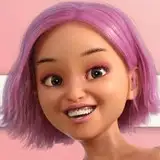
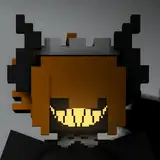
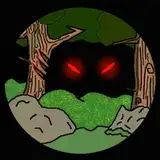
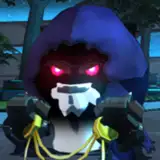
Richard Williams, animation director of "Who Framed Roger Rabbit" suggests in his literature that the ideal approach would be to utilize both techniques at the same time at various stages of the scene's development. How would this work? Well lets go back to what I used as an example in the above images.
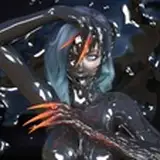
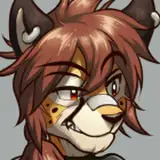
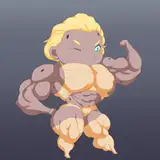
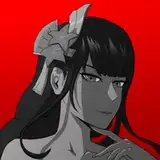
In this shot we have our characters Ximena & Nizba, in order to plan this out properly I like to approach this with a pose-by-pose first, to establish what's happening. This helps me get an idea on what core visuals need to be achieved. Often this is lifted from the storyboards I work on with clients. The storyboards act as a sort of comic panel slideshow so its essentially fleshing out a comic in a sense.
I often like to work on 8's which means key poses tend to, but not always, land on every 9th frame. This helps with breakdown down shots with nice half-way point in-betweens and allows space for improvisation. Once I lay down the key frames, or the storytelling frames. I'll proceed to continue using pose-to-pose to a certain degree for the breakdown frames. Breakdowns are essentially the passing movement that ties the first key cel to the next, sort of like walking, your back foot position is placed in one key frame, followed by it landing in front of you as the next key frame. The passing frame or breakdown is where the foot moves across the air to its next position. There's a lot of creative liberties that can be taken with this pose as you can do a variety of postures and positions for your subject to illustrate anything from goofy to an emotionally appropriate conveyance. As mentioned with 8's these breakdowns are often every 4 frames.
At this juncture I tend to animate everything out every 4 frames to get a real feel on the flow - though not always. As mentioned, this stage can allow some flexibility in terms of straight ahead or improvised movement. Once I'm happy with that I'll slide even more into my improvisation with every second frame and if necessary every single frame for the fast actions or actions that require some readability. Usually I'll do dozens if not hundreds of passes to ensure quality control and flow. Sometimes I'll experiment with the technique in different ways but as I further refine the work, I'll often settle into what works quickest with the biggest bang for the buck effect.
That pretty much sums up character animation, there's plenty of studies surrounding this kind of work, let alone vfx smoke, liquids, etc. and color effects as well. Although this is just one aspect of the art form its a crucial one that portrays storytelling characteristics and is paramount to establishing a solid viewing experience.
Tune in for a future update covering aspects like drawing from life, and establishing form consistency over line quality - an approach that often departs from traditional single panel line drawings that most artists often employ for viewing quality. Until next time!