Greetings once again!
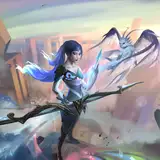
This week's snapshot tends to capture what I've often experienced in late-stage productions, that being the subtlety of inbetween drawings.
What's an inbetween? Basically its the increment of drawings that tie together the storytelling frames, that being the Key frames, and the transitional actions and/or secondary actions being the Breakdown frames. Inbetweens have a duality to their function, as they are the frames that fill the gaps, they play the most important role in giving the animation 'life' and providing the smooth movements we take for granted in our brains as real motion.
Inbetweens can be a bit of a blessing and a curse at times, as they can often slide into a very mundane repetitive process of drawing essentially the same picture over and over. Like the snapshot above you can see that some shots contain little to no movement at all but can call for inbetweens where there are no holds.
Why would I want to draw the same stuff over and over when I can just copy and paste? Well for two reasons: One being having cels redrawn for inbetweens gives the characters and objects a bit more vitality in the shots. It feels more natural that lines are 'moving' since life is always in a state of motion - and since usually half of all the animated cels in animations are inbetweens this can play a pretty big role in how your animation presents itself to the viewer. Ideally all frames should be animated, but the time and resources to put into that usually outweighs the meaningfulness. For the other reason, being what they are, inbetweens can also play a pivotal role in subtle actions like snapping and delayed movements which can give the overall sequences a bit more punch in flow of things. The additional benefit from this is that I can copy and paste Keyframes or Breakdowns where they are warranted without the fear of a static appearance in the character.
I often respect the art of drawing inbetweens for these reasons and despite the sometimes mind-numbing experiences of drawing long shots with little movement, I know that it usually pays off in the end.
This dilemma of holding shots with a single frame or shooting on 2's more than I can afford on 1's is a bit of a balancing act to ensure I can deliver works in a timely manner while still maintaining distinctive fluid animations. A compromise I'll be making with longer animations is shooting on 3's which may result in slightly choppier animation but even there I can experiment with motion blurs and other effects that can contribute to a unique and appealing animation.