Q&A: May roundup + learning digital art
Added 2021-05-17 22:17:35 +0000 UTCHi wonderful peeps! It’s the middle of the month again, so time for a check-in with Q&A. Post any questions you may have for me below! In response to last month’s questions about getting into and learning digital art:
1. How'd you get into Digital art?
I’ve always loved drawing, especially characters! My favorite thing to do was to write stories and draw those characters, and in middle school, I started getting involved in online forums for writing stories--so if anyone remembers these old school “RPGs”, they were just forum threads where you would post a bit of your story and someone would add to it, and everyone had their own character. Of course one of the best parts was creating and sharing art of your characters!!
I did a lot of pencil or watercolor drawings. Later, it was around 2004/2005 that my best friend Sarah lent me her Wacom tablet and photoshop disk and I started coloring my scanned pencil+paper art digitally. Here are some works I’ve found from that time period *hides face*.

So I’ve been doing digital art since! Although, there was a period when I stopped doing a lot of it in college and a few years afterwards because I had so much other stuff going on and for a while I had even lost interest in making art. Then around 2015, I started getting slowly back into it, but my work schedule didn’t really allow enough time to develop my skills. In 2018 I quit my day job and committed myself to learning art seriously. Since then, I’ve been working hard to make progress.
2. How did you go about teaching yourself?
This is actually a really difficult question to answer, because there are so many different components and paths to take! I could probably go into a lot more detail for some of these items, so just let me know if you'd like me to further elaborate on anything!
First and foremost, for me, personally, it boils down to having a project or a need for specific skills/knowledge, and then making sure you have the right setup to accomplish those things.
A. Finding your project:
It gets pretty overwhelming to think of all the things you could possibly learn in art, so it’s easier to start with a project and then isolate the specific skills you need to grasp to be able to accomplish your project.
In my case, it’s to be able to draw my characters in a compelling way and also with skill to match artists I admire (still trying to get there!). I do like to draw the same set of characters, but along the way, if I want to grow, I try to challenge myself with doing something new (different poses, perspectives, expressions, etc.) to push myself further.
B. Along the way, then, I realized that I needed to learn fundamentals like:
- Anatomy (otherwise your people will look messed up; refine this skill to be able to do more complex stuff like expressions and character interactions)
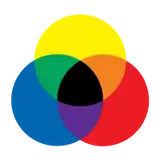
- Color and light (to color your drawings)
- Perspective (this makes everything easier and you don’t have to rely solely on references, you can start drawing from imagination)
- Shape language, lines, other artistic decisions
- Composition
C. From there, now that I know what I need to work on, it’s a matter of seeking out the right resources. I do a mix:
- Researching from real life (aka making my own photo references, finding props… you end up with a pretty eclectic collection of things… like a practice sword or an antique rifle)
- Using posable figures (Phicen dolls, body kun, etc.)
- Pulling up references and tutorials online (building a pinterest library of references and tutorials)--my online tutorials and references are all over the place, and honestly, it’s sometimes just easier to Pinterest search “xx anatomy for artists” and find a bunch of resources, but some helpful starting points are (note these are heavily oriented towards anatomy, since that’s what I’ve been focusing on):
- Anatomy for Sculptors and Anatomy of Facial Expression https://anatomy4sculptors.com/
- Andrew Loomis’s books
- Jack Hamm’s Drawing the Head and Figure
- Propic x Taco https://twitter.com/taco1704?s=20
- Proko.com
- Sketchfab 3D skull/other 3D resources on Sketchfab https://sketchfab.com/
- Line of Action https://line-of-action.com/
- Bodies in Motion https://www.bodiesinmotion.photo/
- Studying from my favorite artists and trying to understand how they are solving similar problems (the list is constantly evolving, but currently, a sample of my favorites are: TB Choi, Ami Thompson, Grace Kum, Grace Liu, Nesskain, Cassey Kuo, Mayumi Nose, and Phobs).
- Getting feedback: Finding friends to give you input on art is really helpful! I frequent a few discord groups for this as well.
- Online classes are also super helpful, especially if you can get feedback from the instructor or your classmates. Since last fall, I’ve taken a few classes at Brainstorm School https://www.brainstormschool.com/ , and they’ve been really great about adding structure, giving critiques, meeting other super artists, and beefing up the skills I want for my personal project. On that note, I will say that for me, it’s still really important to have those personal projects/goals; otherwise, I wouldn’t apply whatever I learned in class once it’s over!
Whew, I think that basically covers how I approach learning. I’ll just add that some “meta” things I do are: (1) setting clear goals with deadlines for myself, (2) making sure I have enough time in my week to dedicate to practice--to me, art is like playing a musical instrument or a sport, you can’t expect to get better at it if you don’t practice like mad!








![[TR] Toxxic Rhiannyr](https://nokimo.com/istorage/109235.jpg)