Hello my darling patrons and friends, and welcome to another episode of the Arty Business series!
As the days start to get colder and the leaves change from green to yellow, red, and orange, I start to see one thing in my future. That's right, I'm talking about holiday portrait commissions.
Since I've started my business, one of my most reliable sources of income has been portrait commissions, and the holiday season is one of the most in-demand time for portraits. Many artists throughout history have made their entire livelihoods on portrait commissions alone. If you can strike the right balance between the number of customers, how much you charge, and how much effort it takes to produce the portraits, then it can be a great way to make money as an artist.
That said, it can take a while to work up to the point of a sustainable portrait business. I'm still working to that point myself. A lot of artists find that private commissions are rarely worth what they feel comfortable charging. But if you've never been paid for your art or haven't tried doing portrait commissions before, I say give it a go!
This guide is what I've learned in the past two years of doing portrait commissions, but like I said, I'm still working out the best way to do this sustainably. This guide will be almost entirely on the business side of portraits, and in the future, I aim to explain more fully the art technique.
As always, take what works for you and leave what doesn't. Let's do it!
. . . . . . . . . . . . . . . . . . . .

My first paid commission, for a coworker in 2017. Illustrated with Windsor & Newton watercolors, Micron pens, and Crayola colored pencils.
P R A C T I C E
+ Research the look! Hunt around Instagram, Etsy, Google, etc. to find how other artists illustrate their commissions. Maybe look at some of your favorite artist's pages to see if they do commissions, and if so what do they look like? Are they full-body, bust height, just heads? Are they complex or simple? How realistic or stylized are they? What medium do they use, what size are the portraits, etc. What elements do they use from the rest of their art? What do you like or dislike about the portraits? Maybe find some portrait artists that you don't like, and determine why.
+ Research the method! Take a look at how these artists do the business side of their portraits. Where do they do the transaction? (Etsy, Shopify, DMs, Paypal, Email?) What's their turnaround time? How much do they charge? (Look particularly at more established artists for this, because a lot of people undercharge, especially on Instagram.) How do they calculate the cost? How do they explain it to the customer?
+ Make some portraits! Take some time to practice how you would illustrate your commissions! A great use for this is gifts for friends and family. I find I try harder at these kinds of practices if I have a use for it afterward, and I put more heart into it if it's for someone I love. Maybe make a portrait of yourself and your family (partner, pets, roommates, etc.) to hang in your house. You probably want your portraits to be something you'd want to hang in your own home, so practice that.
+ Host a giveaway! A great way to get your audience thinking about your commissions AND to give you more practice/examples is to host a giveaway on your social media platform!
+ Practice consistency! This will take a little while and can always change, but work towards having a consistent 'look' for your portraits. That way once you open your commissions there's less guesswork and mystery for the customer, and a lot less work and thinking for you to do.
+ Realism vs. Stylization! This is a great time for you to decide what you want your portraits to look like, especially relating to realism and stylization. My opinion is that it's really up to how you want your art to look, and what kind of portraits you're interested in making. I feel like generally what you share as your examples will be the kind of portrait expectations you receive from customers. Of course, some people do photo-realistic oil painting portraits, and some people do literal stick figures with dot eyes or no faces at all. And different people love both! It truly is up to you.

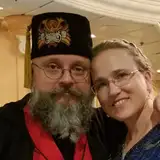
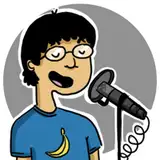
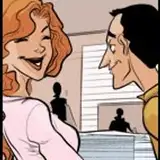
Four examples of artists I studied for portrait technique, pricing, and structure.
S T R U C T U R E
(The rest of the article is very specifically how I do my portrait commissions, but not necessarily the only or right way!)
+ Batch it! I like to control exactly when and how many commission orders I take on. This means around every two months I 'open my commissions', or make the listings live on Etsy and share about it on Instagram. I find doing a batch of around ten all at the same time makes it a lot easier. When portrait stragglers are kind of streaming in it makes it harder for me to focus on other artistic endeavors, because the portraits are always weighing on my mind.
+ Outside of the batch? That means that if someone emails me when my 'commissions are closed', I can decide whether there's room in my schedule at that time to take that customer on. If that's the case, I can also alter that specific price depending on how busy I am. A lot of times people are willing to pay more to have a portrait for a specific time frame.
+ Limited Availability! I'm not yet at the point where my portraits sell out within minutes of opening them. But I do find a lot more peace of mind when I have a very specific amount of portraits available, so I'm sure I won't be overwhelmed. I feel like limited availability also encourages customers to buy quickly and all at the same time, making it easier and faster to batch the portraits.
For reference, the most portraits I've taken on so far was 15-20 portraits last holiday season. With a quoted two week turnaround, that was just barely doable without being painful. I've simplified my portraits since then, so I'm going to plan on opening that many portraits per two week period this holiday season.
+ Timing! The most popular times for portraits that I've seen so far have been (in this order) Christmas/December, Valentine's Day, and Mother's Day. If you're thinking of offering portraits at some time, these might be the most effective periods. But of course people have anniversaries, birthdays, weddings, and other events throughout the year, so don't rule out the other months!
+ One pose! I am so much happier with my portraits now that I have only one pose: from shoulders up, with the characters either looking at each other or the viewer. It makes it SO much faster to create the portrait, which means I can keep them affordable to the average customer. And the customers like to be able to predict what they're going to get before they spend at least $100, so having a standard pose gives them that.
I also like offering shoulders up portraits because it puts the focus of the portrait on the subjects' faces, which is what people care about anyways. *chef's kiss* Best decision ever.
+ Size options! Choose very specifically what sizes you want to offer. I offer 5x7" and 8x10" for all of my portraits. They're standard frame sizes, so customers don't have to get the portraits custom framed. I used to ask people what size they wanted, but generally people... don't know what they want. That's what we're here for! So give them options, and if they want something different, they'll let you know.
+ Digital printing & shipping! Sooo many customers have asked me at the end of a digital portrait commission if I had a recommended way to print their portrait, that I started offering a printing, cutting, and shipping option. I charge $15 extra for the service, which covers U.S. shipping and shipping materials, the ink and paper, and for cutting and packaging. People love it, baby!
+ Pricing! As usual, pricing is very hard to get exactly right, and will probably take a while to balance well. But keep in mind that you are rarely charging enough for these beautiful, valuable, complex, time-consuming portraits that you make. I sold my first custom portrait to a coworker for $25, and I felt like I was way over-charging. The portrait ended up taking me maybe 4-5 hours total, which comes to around $5 an hour before materials.
While you're doing your example portraits keep an eye on how long it takes you to make them from start to finish. And when you're calculating your price remember to pay yourself for the time it takes to email with customers, set up listings, market the portraits on social media, and package/ship them. I'd factor at least an extra hour per portrait for all these necessities. And don't forget about materials and taxes if you're seriously considering this as a form of income!
If it helps, each time I open my portrait costs I raise my price by $10 or more. Last year I sold holiday portraits for $40 each, this year my minimum holiday portraits will be $80. I also plan on doing another donation portrait run, where any $15+ donation will receive a 5 min digital portrait doodle as a thank you! Just remember that your work is worth a living wage, so be honest with yourself about how much time you spend on your art and how much you need to compensate for that.

Valentine’s Day watercolor portrait in 2019, used as a practice, example, and gift for my partner.
L I S T I N G
(This section is how I make listings on Etsy, but you can use these tips on whatever platform you use to sell your commissions!)
+ Separate listings! I make separate listings for my three distinct portrait options: Digital, Traditional, and Pet. Have clear photo examples of the types of portraits you're offering, and keep it fresh and updated with the exact kind of portraits you'd like to do in the future.
+ Base portrait! For my payment structure, the minimum price includes the base portrait, and anything extra adds to the price. My base portrait is one subject (a person or pet), from the shoulders up, with a plain background.
+Add-ons! For every additional subject or feature, the customer adds +1 to the order and chooses the total in the Etsy drop-down menu. For example, a family of three would add +2 to their order. A family of four (+3) with a background of flowers (+1) and a banner(+1) would choose +5.
For each additional feature I charge an extra $10-20, but for a ton of extra additions that additional price goes up slightly. This accounts for increasing the amount of time I'll spend on that portrait. For example, a portrait of someone with all 8 of their pets is going to be more complex to design than someone with 1 pet.
I try to be as clear as possible about this process in my listing, and thus far pretty much everyone's gotten it right!
+ Turnaround time! Include a precise turnaround time, as in when their portrait will be put in the mail or sent to their email.
I phrase it like this: "Ready to mail within 3 weeks of receiving your payment and information." For a standard commission opening, I quote 3 weeks turnaround time, intending to have it ready in 2 weeks. That leaves room for any extra adjustments, mistakes, life, and for people to respond to your emails (which can sometimes be a while.)
You can charge an extra fee if the customer wants the portrait earlier than that turnaround quote.
+ Timeline! I try to spell out my timeline while working on the commission to the customer in the listing. For my traditional portraits, this is exactly what I put in this listing:
I try to emphasize the customer approval part of the process so they will be as timely as possible in responding to the check-up emails.
+ Request information! Very clearly and specifically request clear reference photos of all included subjects, preferred outfits, hairstyles, accessories, expressions, or colors, and any other requested details. Have them send it all to somewhere specific and clear; I use my email. This will hopefully eliminate you having to redraw an outfit because the customer wasn't precise with what they wanted.

My first pet portrait examples from 2018, used to advertise a giveaway.
C O M M U N I C A T I O N
+ Emailing! Usually after a customer orders their portrait they will pretty quickly email me to tell me that they bought a portrait, and to send over their photos and requested information. Sometimes they'll email me saying they bought a portrait and they'll send the information in a few days. If they don't send anything in a day or two I send a fairly form email saying thank you for their order, and reminding them of the information I need before I can start on the portrait. I always try to respond to every email with a thank you and reminder of where I am in the process/what's coming next! You know! Just be nice, thorough, responsive, and transparent! Good customer service stuff!
+ Form email! I don't always do this but once I have what I feel like is a nice and professional email, or even a couple of phrases, I'll re-type or even copy the email and use it for multiple customers. Personalize the email, especially if they've said something specific or super sweet! I don't think this is rude in the slightest, you're just trying to get the same information to each customer promptly. In my opinion, the emailing portion of commissions takes an unexpectedly long amount of time, so whatever you can do to speed it up saves you and the customer money.
+ Hello? Are you there? I have three times had this happen: a customer orders a portrait and then never sends me their information or photos, and doesn't respond to my messages or emails for whatever reason. The first time it happened I fully-refunded the customer. But because my portraits are offered in limited numbers, I now have a policy of closing the order without refund if I don't receive a response three weeks from when I reach out to them. I'll typically email them once a week to remind them and check-in again. It hasn't happened yet, but if the customer emails me a month later asking for their portrait I will probably offer to make it with a $30 or so extra charge. To be completely transparent the policy is listed in my Etsy store policies, I call it "Abandoned Custom Orders."
+ Ghosting! Because I have my customers pay in full up-front, I've never (yet) had a customer request a refund part-way through because they change their mind. Officially I don't offer refunds, for the same reason you can't easily get a full refund on plane or concert tickets. I have had many people request portraits and then never email me back when I send a rough price estimate and the portrait listing. I think if a form email is appropriate for anything it's these kinds of inquiries because so many of them don't end up becoming sales. And that's okay, serious customers will come through, and I don't think there's time to chase after customers who aren't ready to buy right then. Big ole' shrug!

Digital sketches on the left, traditional finals on the right. From my holiday portraits in 2018.
P R O C E S S
+ Prepare! Once you have most or all of your orders finished, make a list of all ordered portraits in order of purchase, so you don't miss any! Usually, I add a way to differentiate the ones who haven't send their info yet. On each sketch page or file for the projects, make a list of the key details they requested so you don't forget any: how many characters, what clothes/hairstyles, glasses, etc.
+ Sketch! I do my sketches in the medium that they ordered, to make sure the scale fits well (i.e. I don't like doing digital sketches for traditional portraits.) I only do one sketch per portrait, unless it's a bigger project where the customer paid more. I do a linework sketch that's still pretty rough, but close enough to the final that the customer can picture what it will look like. That way they'll be able to know what adjustments they'd like at this stage. I only add color to the sketch if I'm not sure what the customer is looking for, i.e. if they send me a bunch of different colored shirt photos and don't say which one they want.
+ Sketch adjustments! After I'm finished, I email the sketch to the customer. I tell them it's a rough sketch but I'll use it to create the finished piece, and offer to make any adjustments they might have. I also let them know I'll be waiting for their approval before I move on to the final, that way they make sure to email me back promptly.
Most people don't have any adjustments, and if they do they're very small or something they forgot to ask for: Make the dog a little bigger, make her hair longer, add the arm tattoos, etc.
A few people get very particular about certain faces, and usually, are looking for a bit more realism than I usually do. It doesn't happen very often and I get it to a place that they like it pretty quickly, so it doesn't bother me. I think the most common thing people want me to do is bulk up their husbands and make them look more 'manly' than I usually draw my characters, which is fine with me.
+ Sketch approval? For the small adjustments, I won't send the customer the sketch back for another approval, to save time I just make the change and move right on to the final. For bigger changes for more particular customers, I'll send it back to make sure they like it before I do the big work, but I usually warn them that it may increase their turnaround time.
+ Final portrait! Finally, I neatly transfer the sketch to the final paper, or make a new layer on Procreate and turn down the sketch layer opacity. Then comes the money moment, making the final portrait! I'll go more into detail on exactly how I illustrate my portraits in a future series I'm cookin' up. But for now, I'll just say, do your beautiful art thing!
I usually try to focus on capturing the spirit and energy of the people in the photos the customer sends me. Some people seem playful and energetic, some seem peaceful and reserved, some seem like total badasses. I try to notice small details and include them, and make the characters look their best. I try to make something I'd want to display in my living room.
+ Final portrait approval! After that, I send a clear photo of the final portrait to the customer (I edit it in Snapseed a bit first so it represents the portrait well.) I'll offer any last small adjustments at this time, but I'll warn them that some adjustments may be difficult for traditional materials. At this point, most changes are slight color changes for digital portraits. I'll also ask them to let me know what they think, and that whenever they're ready I can package up their print to mail it their way. Or if it's digital, I usually ask if they'd like any other file type.
+ Package up! Once they send their approval over email (Sometimes they're like "OMG I love it it's perfect thank you so much!!!"... Ahh, that's the best,) I get it ready to mail, if that's part of their order. For traditional portraits, I sign them on the back, put them in a compostable sleeve with the sketch page, a chipboard backer, business card, and a small thank you note. For digital portraits, I'll either send the requested final file (usually people are happy with just the .jpeg.) or print the file and do the same as the traditional. Then I package the physical art in a rigid mailer, print a shipping label through Etsy's postage tool, and give it to the USPS!
+ Last thing! Once everything's closed up I always try to say thank you again to the customer and ask them to keep me in mind for any future commissions they might need. And you're done!

A few of my favorite digital portraits from this year.
. . . . . . . . . . . . . . . . . . . .
And I think that's portrait commissions in a nutshell!
For this article, I don't have any references, because I haven't seen many people talk about how they specifically structure portrait commissions. I'd recommend doing your research on artists who do custom portraits, read their listings and descriptions, look at their prices. It can be hard because a lot of artists take their listings down when they're closed, but when you see them open snap a picture for reference.
As usual, my friends, don't be intimidated by giving portraiture a try if you enjoy drawing people! Start small, draw your friends and family, give portraits as gifts, and then give opening them up for sale a try. Experiment with different portrait business structures, and always remember that you are worth being paid more for your time and talents.
Let me know if this answered any of your questions, and if you have any that I missed, drop them in the comments!
xoxo,
Ragon
Ragon Dickard
2019-10-15 00:54:42 +0000 UTCNaiara Fouraux
2019-10-07 07:32:48 +0000 UTCRisha Parr
2019-09-28 01:34:46 +0000 UTC