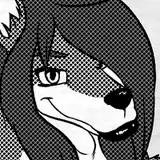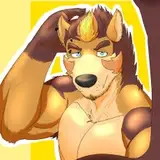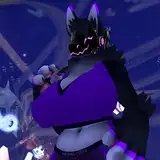
It's something you may dwell on, or rarely consider.
Young artists, especially, often feel a lot of pressure to “find their style”. We want something unique and recognizable, but that quest can feel daunting once you realize just how much art is already out there—and how much territory has already been claimed.
I no longer think of style as an elusive treasure to hunt down. Rather, I’ve come to understand style as the natural byproduct of one's own personal preferences and inclinations. It's inevitable.
If you emphasize what you appreciate in your work while downplaying what doesn’t interest you, your personal style will emerge naturally. The further you refine your craft, the more distinct that style will become.
Early on, you might worry about looking like a mere imitator of your strongest influences. On some level, this is a valid concern. It does happen. Throughout history you can find many artists who clearly echoed their heroes. It's perhaps a key step in mastering any craft. As soon as the student develops a bit of experience and confidence, their path will begin to diverge.
One of my favorite examples is artist Jeffrey Jones, whose early work strongly reflected his admiration for Frank Frazetta. Before long, Jones developed a distinct aesthetic of his own—one Frazetta himself admired, calling Jones “the greatest living painter.”
No two minds—or hands—are exactly alike. Even if you try to perfectly replicate another artist’s work, there will still be a bit of you in it, and much less of them, for better or worse.
Try having many influences. That's probably more healthy anyway. But don't be afraid to closely mimic an artist for the sake of learning. It can be a powerful way to practice.
On a practical level, it's best to approach style as something quite malleable. Don’t feel pressured to define your life-long style before you can begin creating your best work. That's a mental trap.
Rather, in the moment, focus on developing a look which specifically serves the vision for your current project. (Step one: develop a clear vision.) Then adapt for the next project or series. This frees you from the endless search for some illusive ideal. Your abilities are already at hand, ready to be tried and tested in service of your creative goals!
I learned this approach while working as a concept artist and illustrator, where projects often demanded radically different aesthetics—sometimes far outside my comfort zone. I might not always love the subject matter or way of working, but I learned I was capable of a wide range of expression. Ultimately, my job was to deliver what the art directors envisioned.
The exciting challenge of personal art is that we must provide our own creative direction. We’re free to follow our curiosity wherever it leads. Will that direction pop or flop? Either way, with a bit of reflection at the project’s end, you’ll gain valuable insight to guide your evolving sense of style.