Writing Psychology Week Day Two: Don't Be One Writer. Be Four.
Added 2024-11-05 06:46:51 +0000 UTCThere are many kinds of writerly types in my brain:
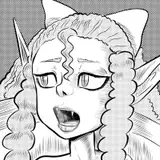
The poet—She’s the one who feels and creates. She’s scruffy and emotional. She doesn’t use rational thought much at all.
The editor—She’s the one who thinks like a reader and can thus give readers what they want. She’s exceptionally good at jumping into other people’s skins.
The blogger—She’s the one with all the opinions.
The proofreader—She’s the one who knows things about Oxford commas.
I climb into the skin of the poet or blogger when I sit down to write. Once I have a draft, I climb into the editor’s skin. I couldn’t always do that. I had to spend many years listening to readers’ experiences of my writing before I became competent enough to see through their eyes. To evolve, I tracked down anyone willing to fill the role for me. I found readers at poetry readings, on Facebook, and through workshops. Readers, if you’re not aware, are difficult to find. Few writers are willing to give their time and emotional labour to this pursuit, which is why workshops are such an important part of the journey.
The proofreader took longer to develop than any of my other personas because nobody ever taught me the skill. I got myself some books and style guides. I found some editors. I learned how to syntax for 20 years, and I still make mistakes.
As for my inner blogger… well, she grew up by learning about the topics she cared about. She read an awful lot of studies and surveys. She listened to people scream at her on Fetlife and tried her best to become informed.
The poet remains my most valuable writerly type. Anyone can learn grammar. Not everyone can learn to write poetry, but there can be no worthy poetry without proofreaders and editors. You must occupy all four of these skins, and they’re terrible for one another. The proofreader will murder the poet given half the chance. The editor and proofreader don’t always agree, and the blogger will turn the poet into a preachy mess.
This is why we compartmentalise. The poet gets her own room. So do the other three. They do their work alone in their own time, and I don’t allow any of them to share rooms. Compartmentalisation can also help us focus on evolving all four roles equally. The better you develop them, the better you separate them, the better your ultimate work will become.
Don’t be one writer. Be four.