![Ranked: The top 10 Argentine F1 drivers [Early-access]](https://img5.nokimo.com/storage/2/tn/lt/fb3178-019e838b-f1fb-78b7-a710-2e3d40860b79.jpg)
Before it's released on the website, get early access to Andrew van de Burgt's ranking of the top 10 Argentine Formula 1 drivers ahead of Franco Colapinto's return to the grid at Imola...
Colapinto became the 26th driver from Argentina to take part in a world championship Formula 1 grand prix when he made his surprise Williams debut last year, and the first since Gaston Mazzacane ended his stint with Prost at the 2001 San Marino Grand Prix.
Given that a significant chunk of those 26 drivers came in the early days of the world championship, when Argentina had a thriving domestic racing scene and one-off appearances in one’s home grand prix required little more than owning a relevant car and paying the entry fee, Colapinto’s exploits during his Williams stint, means that before he’s even driven in anger for Alpine he’s already comfortably a top 10 contender.
But where does he rank exactly among the Argentine greats, and could there be a surprise number one? Spoiler alert: no there isn’t!
Before we rank the top 10, let’s play some lip service to the 16 racers who failed to make the cut.
Between 1952 and 1960 Alberto Crespo, Adolfo Schwlem Cruz, Jesus Iglesias, Roberto Bonomi and Alberto Rodriguez Larreta, all made a single F1 appearance at their home grand prix. None of them did anything of real note, and it’s hard to imagine their names ever appearing on The Race again.
Alfredo Pian entered the 1950 Monaco Grand Prix, but sadly sustained career-ending leg injuries in a qualifying accident, while Juan Manuel Bordeu was entered in the 1961 French Grand Prix, although the car was actually raced by Lucian Bianchi (great uncle of Jules).
Pablo Birger had a couple of cracks at his home grand prix. Jorge Daponte tried, and failed, to qualify for the Indy 500 before making a couple of starts (at home and in Monza), Nasif Moises Estefano made two appearances, including one for Alejandro de Tomaso, who also made two F1 starts as well as entering various cars over the years, including those run by Frank Williams in 1970.
Miguel Angel Guerra failed to qualify for three races at the start of the 1981 season for Osella, before finally making the grid in San Marino and then promptly disappeared from F1.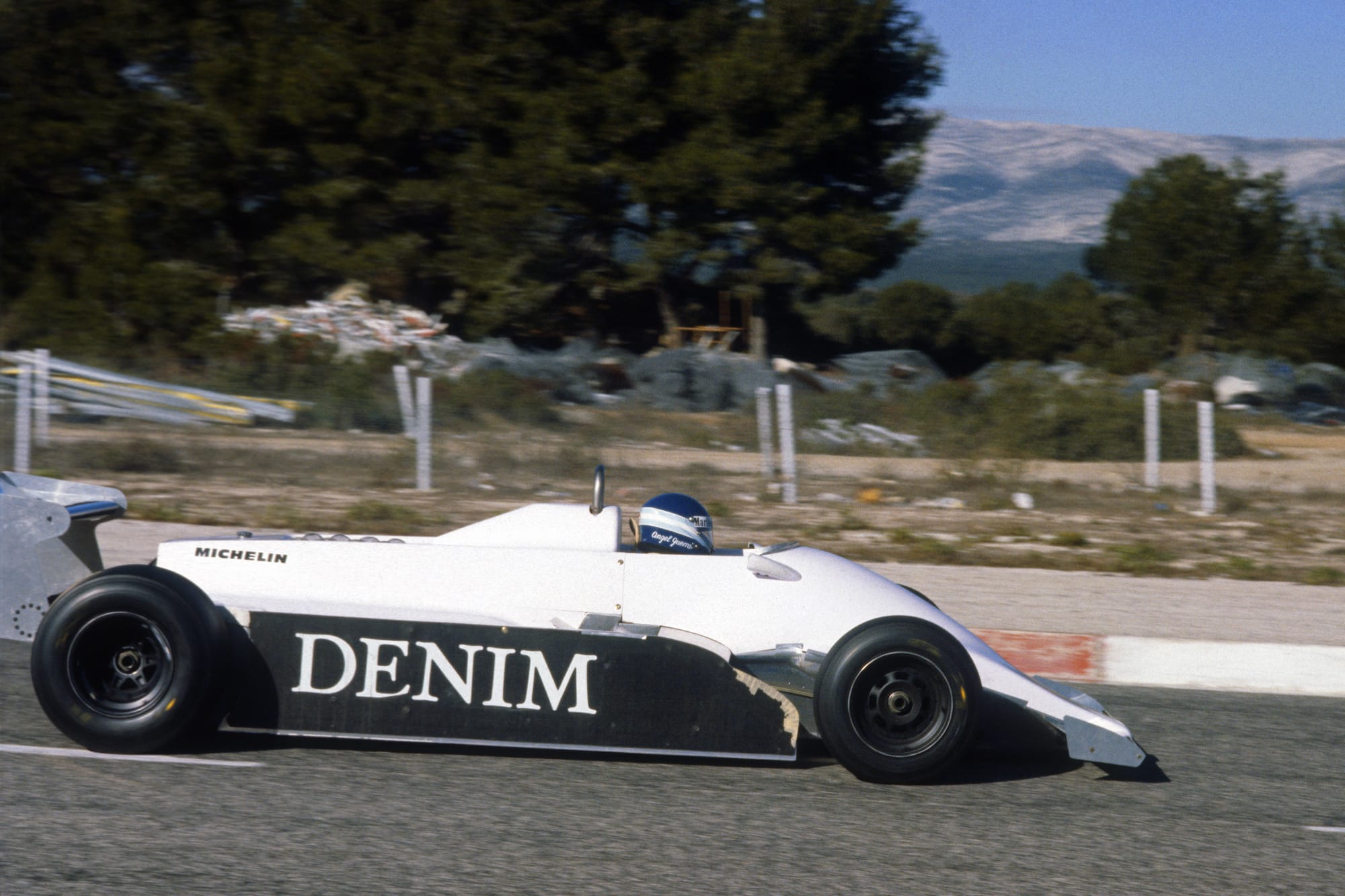
Clemar Bucci ran a handful of races in 1954-55, but more notably designed the Dogo SS-2000 prototype sportscar. It looks like a cross between the Pink Panther’s car and a DeLoren. Bizarre.
The story of how Ricardo Zunino ended up in F1 is remarkable. A winner in the British Aurora F1 series (don’t let that fool you), he was attending the 1979 Canadian Grand Prix as a punter. When Niki Lauda stunned Brabham boss Bernie Ecclestone by immediately retiring midway through the weekend, Zunino somehow found himself called into action.
After completing the final race of the season, he began 1980 as Nelson Piquet’s team-mate. But he was hopelessly out of his depth and was replaced after seven point-less outings. He briefly resurfaced for Tyrrell the following year, before enjoying success in domestic touring car racing.
Edd Straw fan favourite Esteban Tuero was just 19 when he signed for Minardi in 1998. He left abruptly at the end of the season, citing reasons that he would reveal in the future. We’re still waiting…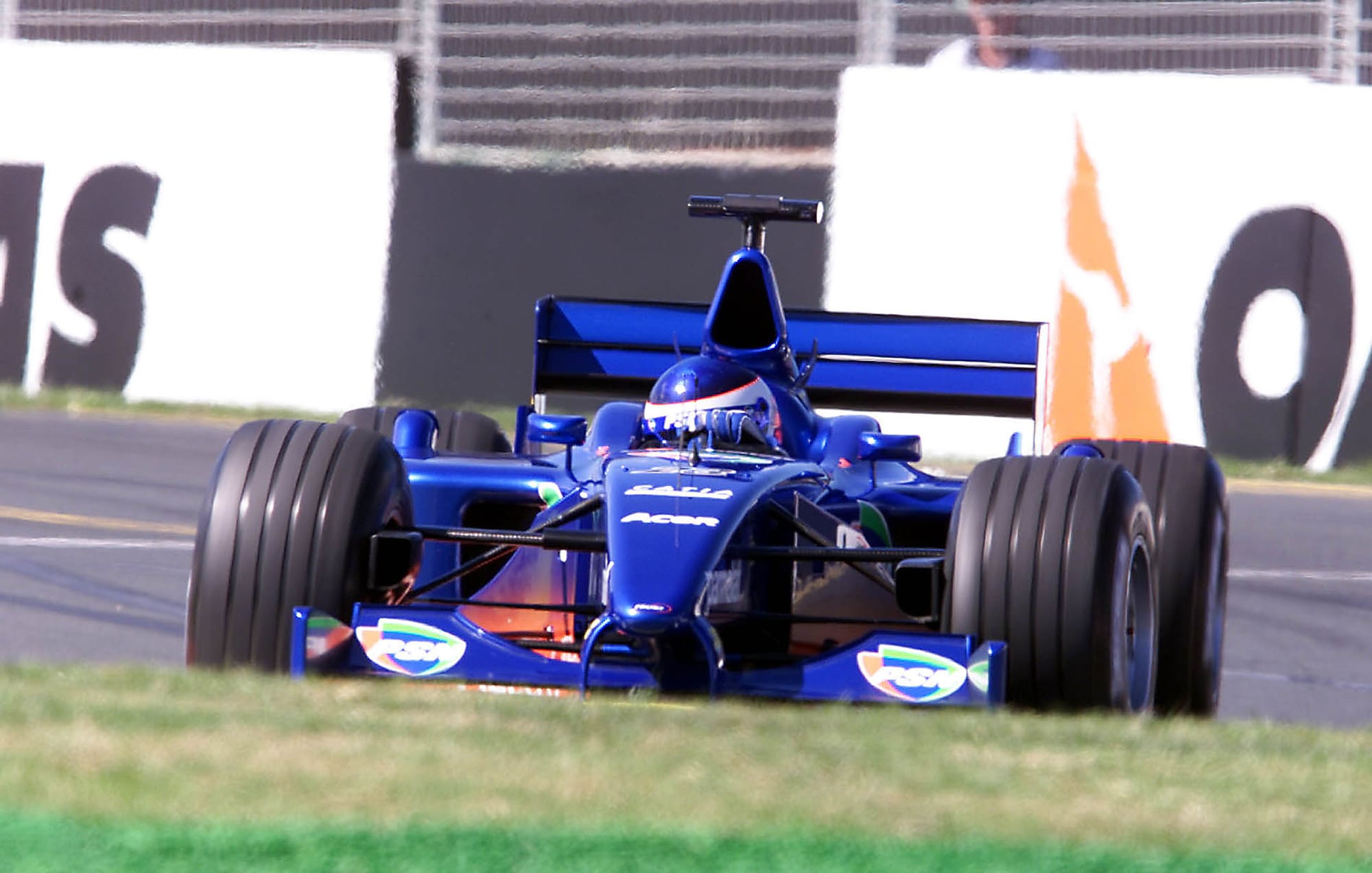
Despite Emerson Fittipaldi once touting him as ‘the next Fangio’, there was nothing in Gaston Mazzacane’s junior record to suggest he was worthy of an F1 seat, and over his 21 outings for Minardi and Prost during 2000-01, that’s pretty much how it played out.
All of which leads us to our Top 10:
10th - Norberto Fontana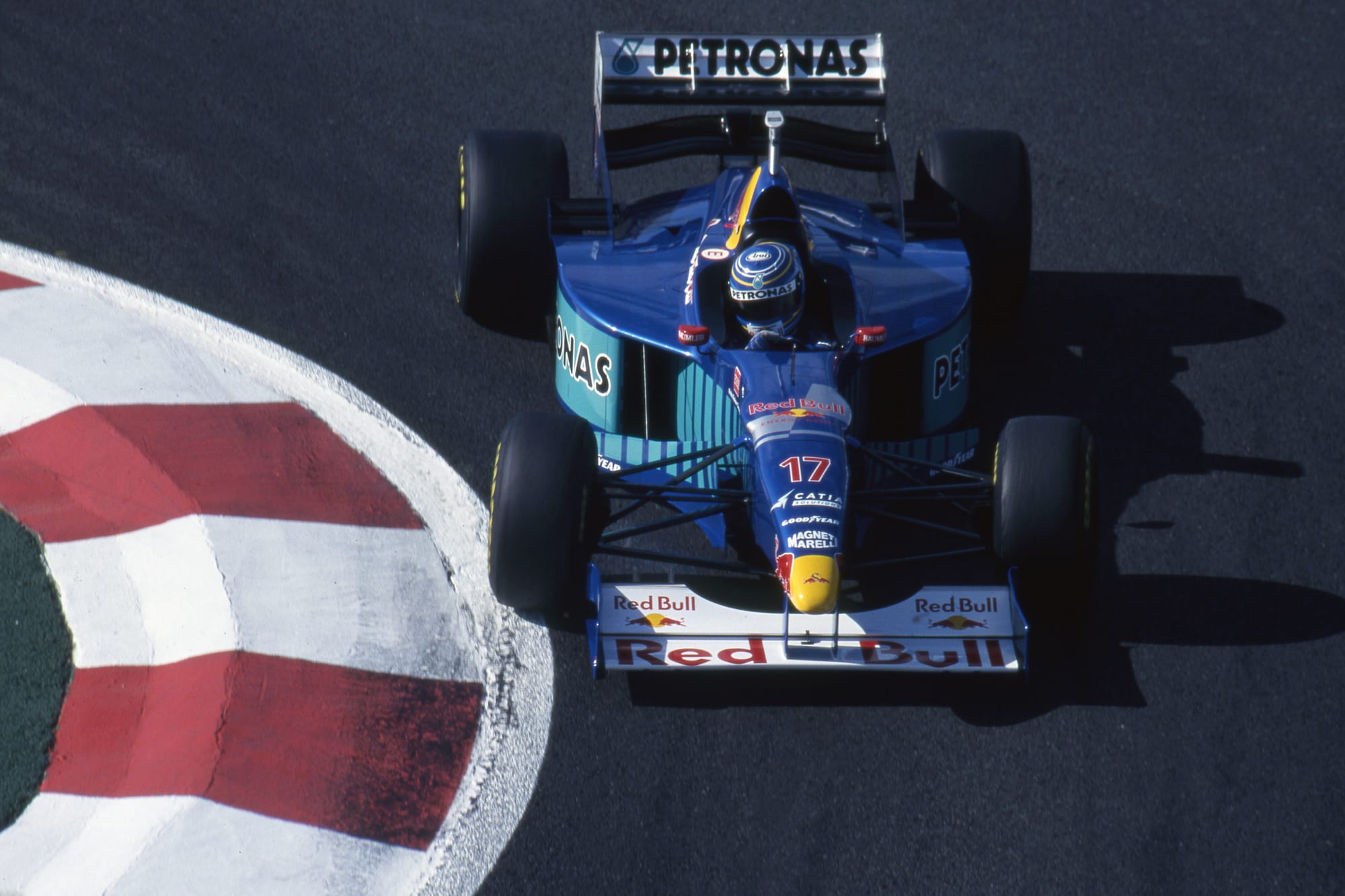
Norberto Fontana dominated the 1995 German F3 championship, taking 10 wins from 16 races, leaving the likes of Ralf Schumacher and Jarno Trulli trailing in his wake. So when he was called up by Sauber, for whom he’d been a test driver, in 1997 to replace the injured Gianni Morbidelli, it felt like he was getting the breakthrough his talent had merited.
On his debut at Magny-Cours he started 20th (1.5s behind team-mate Johnny Herbert), before getting caught out by a late-race rainstorm. He was a similar amount behind next time out at Silverstone, but brought the car home ninth, a result he repeated in Germany, his final outing before Morbidelli returned.
He was brought back for the season finale at Jerez, where he was criticised for holding up Jacques Villeneuve in his battle with Michael Schumacher for the title, but despite being linked with Tyrrell and Minardi, he never raced in F1 again, although he did win two TC2000 titles back in Argentina.
9th - Oscar Larrauri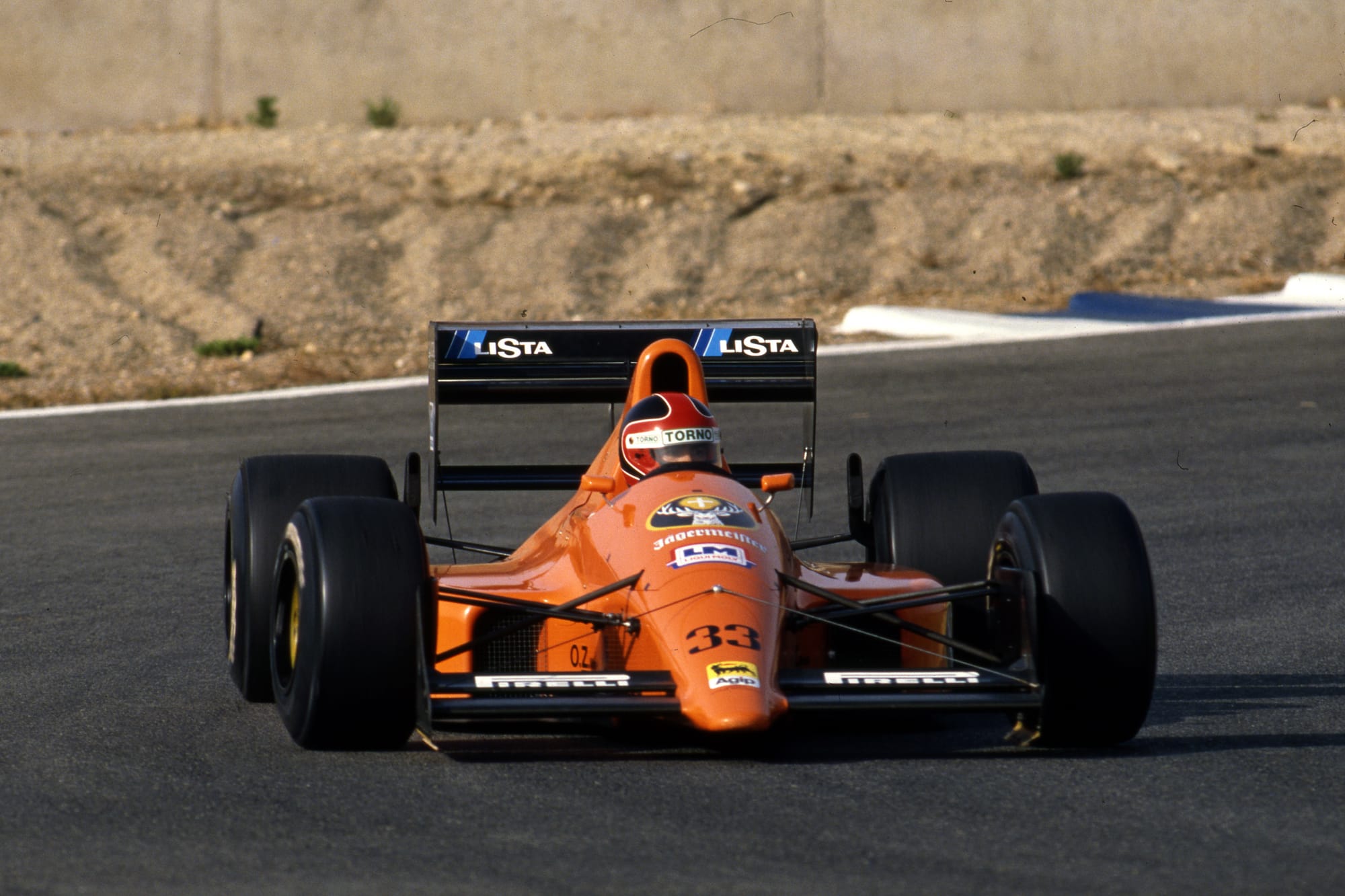
As a long-term driver (and winner) for Brun Motorsport in sportscars, despite being 34, Larrauri was an obvious choice for the team when it went F1 racing in 1988 under the EuroBrun banner.
Up against the reigning F3000 champion Stefano Modena, and in a recalcitrant car, it was never going to be an easy task, but Larrauri made the cut eight times, including starting a respectable 18th in Monaco, but was usually a shade slower (and occasionally a lot more) than his young team-mate.
After returning to sportscars, he was drafted back for the final five races of 1989, but by now the EuroBrun chassis was beyond hopeless and he failed to pre-qualify each time.
8th - Oscar Afredo Galvez
A contemporary and rival of Fangio, Oscar Afredo Galvez was one of Argentina’s top drivers, winning the first of his five national titles in 1947 and the last in 1961. He was invited to be a part of a four-car works Maserati entry for the 1953 Argentine Grand Prix, and he repaid their faith by finishing a lapped fifth.
It would be his only F1 outing, but such was his standing in Argentina, the Autodromo Municapal in Buenos Aires, which has hosted all 20 Argentine Grands Prix, was named after him (and latterly his brother Juan too) in 1989.
7th - Franco Colapinto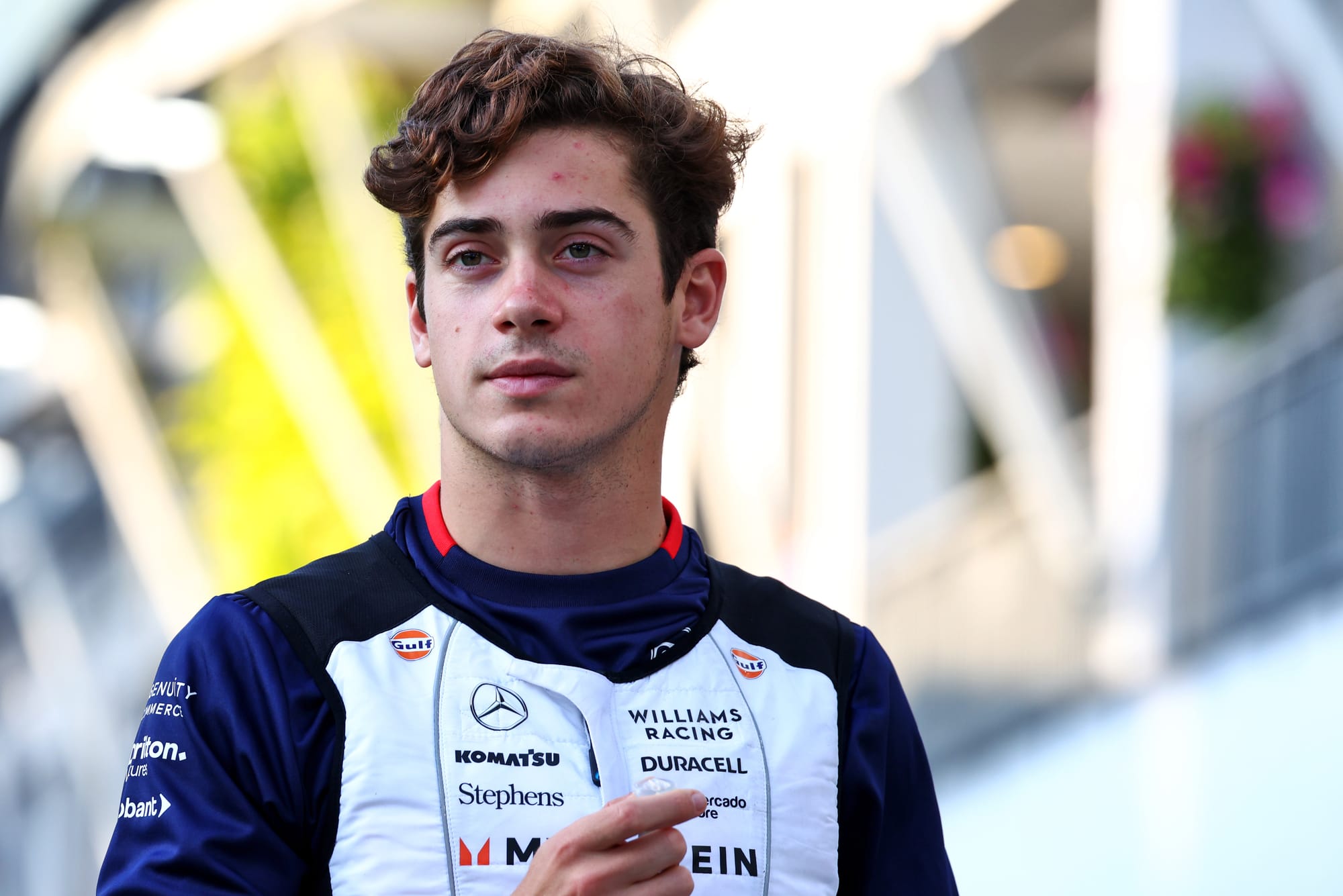
There’s been plenty to suggest that Colapinto will vault up this list if he is takes full advantage of the opportunity to build upon the unexpectedly strong start he made to his F1 career.
Despite minimal preparation, Colapinto surpassed all outsider expectations when replacing Logan Sargeant, giving team-mate Alex Albon a much harder time than the American ever did.
Now he’s been drafted into an Alpine team that has struggled for consistency and a team-mate in Pierre Gasly that can be almost unbeatable on his day. Apparently he has five races to prove his worth - and a higher ranking on this list.
6th - Carlos Menditeguy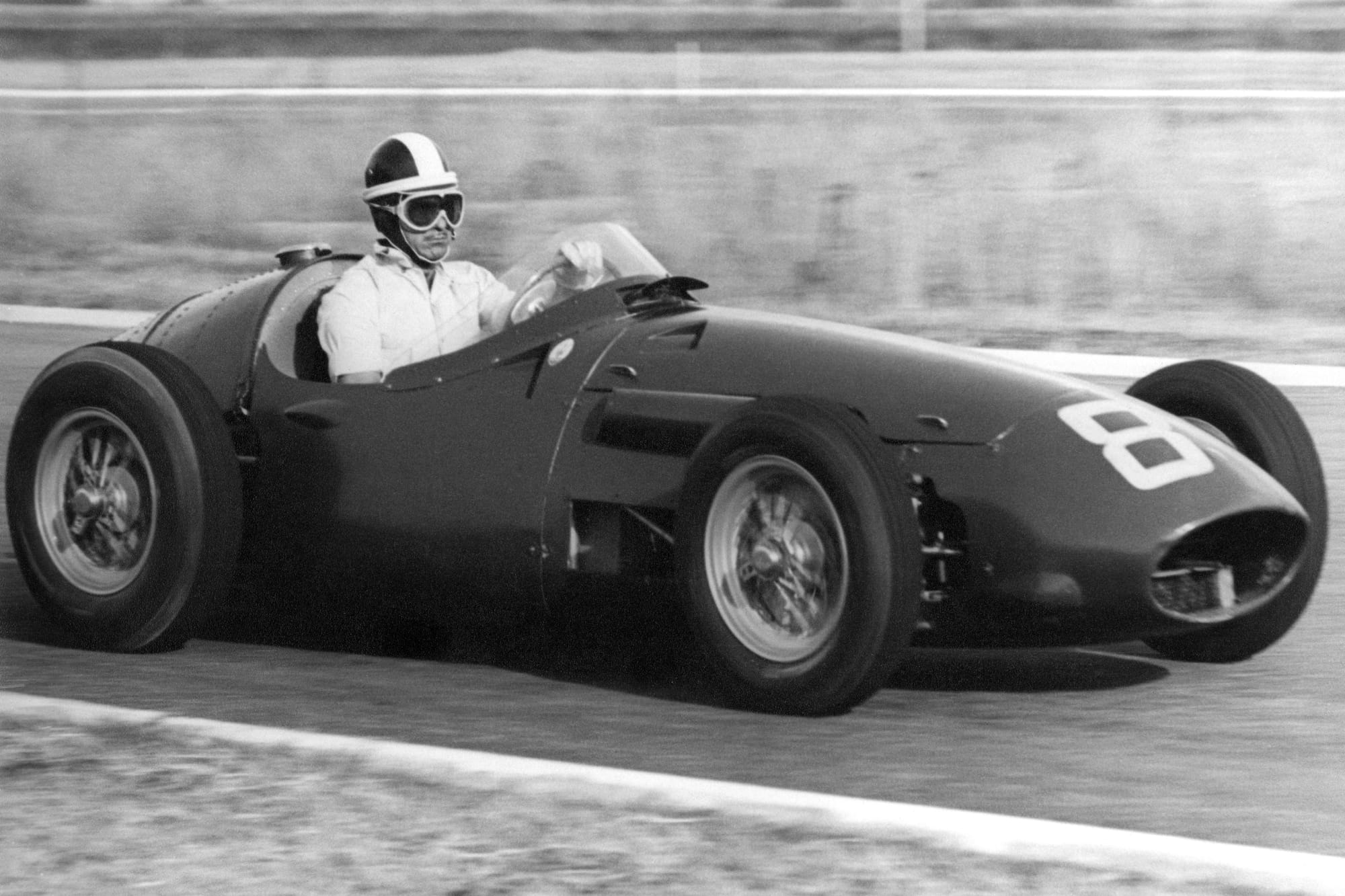
In many ways, Formula 1 of the 1950s was a different sport to the one we watch today. The demands on drivers’ time these days mean they scarcely have time to race outside of F1, let alone compete in other sports at a professional level.
In contrast, as well as racing in 11 grands prix, scoring points thrice - including a podium in the 1957 Argentine GP - Carlos Menditeguy was a professional Polo player, and a scratch golfer. Apparently, he was also an accomplished footballer, boxer, tennis player, shooter, fencer and billiard player.
He was also an inveterate gambler and playboy, obviously.
5th - Roberto Mieres
Like Menditeguy, Roberto Mieres was a dab hand at pretty much whatever sport took his fancy, so much so that after he retired from car racing, he represented Argentina in sailing at the 1960 Olympics.
He bagged five points finishes from his 17 world championship starts, and was a competitive presence in numerous non-championship races too.
We shall never see the likes of him and Menditeguy again.
4th - Onofre Marimon
The story of Fangio’s protege is a tragic one. Having followed up victory in the non-championship race in Rome with a podium at Silverstone, Onefre Marimon was killed in qualifying for the 1954 German Grand Prix when suspected brake failure caused him to crash at high speed through one of the fastest parts of the Nurburgring.
Sadly, this made him the first driver to be killed during a world championship F1 event (outside of Indianapolis), and robbed Argentina of its finest prospect for the next generation.
3. Jose Frolian Gonzalez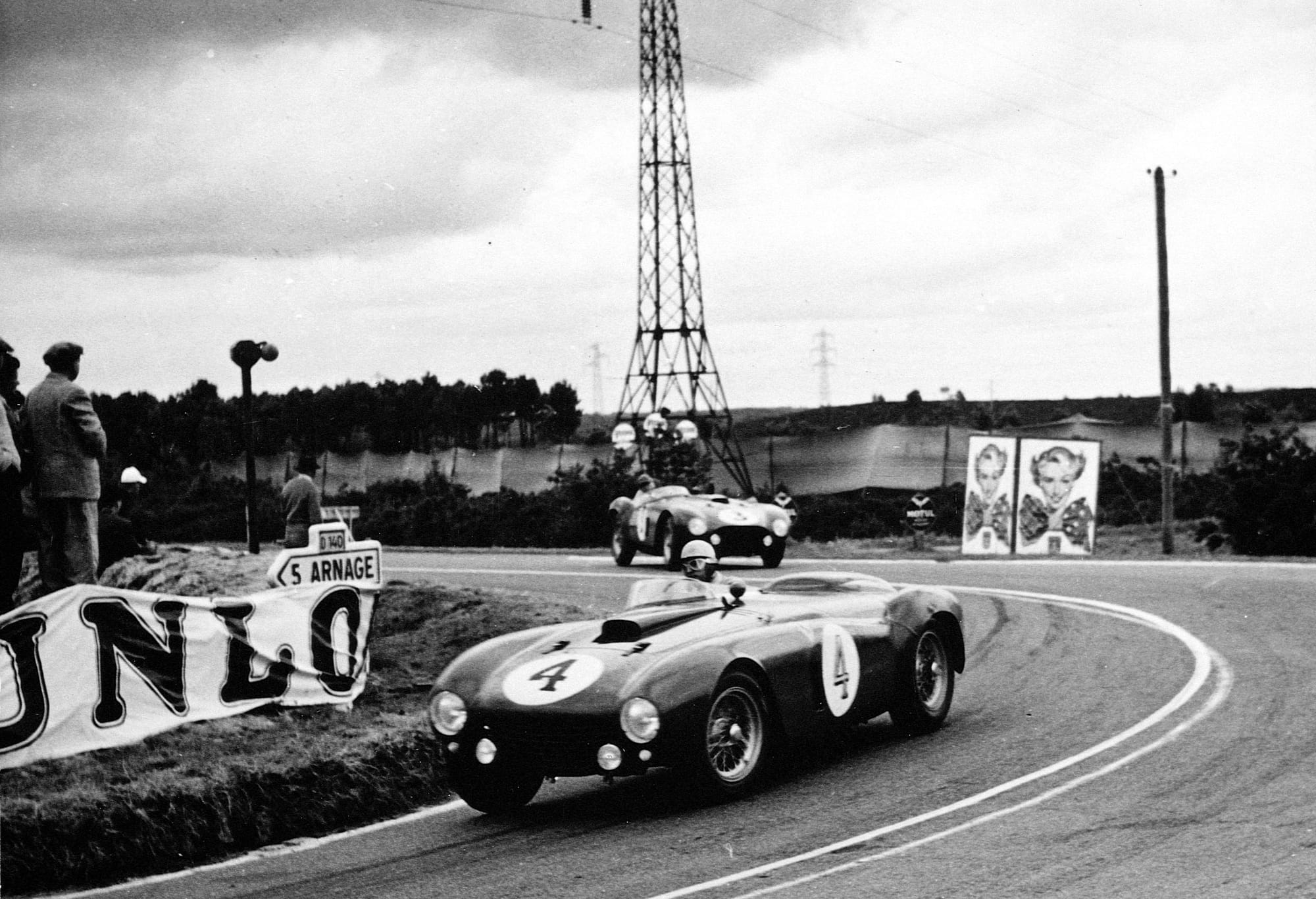
‘The Pampus Bull’ is guaranteed a place in Formula 1 history by virtue of being the driver who claimed Ferrari’s first ever world championship grand prix win. Jose Frolian Gonzalez's considerable frame, and elbows out style, belied the fact that he was a consummate racing driver who held his own among the first era of greats.
He added to his famous 1951 British Grand Prix win, with another Silverstone triumph three years later. He was a prolific winner on the non-championship racing scene, and took outright victory at Le Mans in 1954 (pictured above).
2. Carlos Reutemann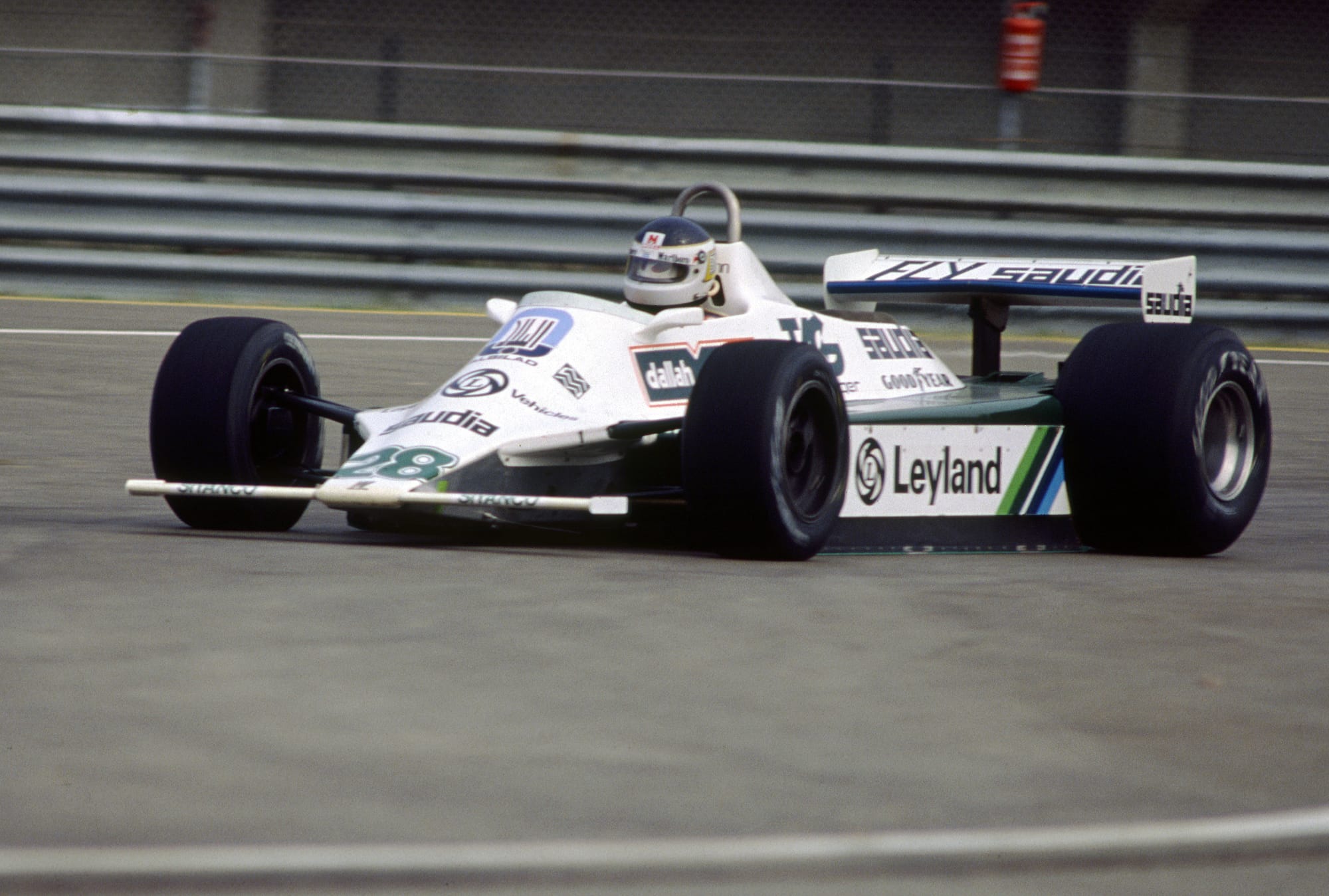
A leading light of the shaggy-haired, side-burned, devil-may-care F1 of the 1970s, Carlos Reutemann is high on the list of the ‘Greatest Drivers Never to win the World Championship’.
His time could/should have come in 1981, where if the South African Grand Prix (which he won) had actually counted for the championship, or he hadn’t disappeared during the season finale at Vegas, the title would have been his.
He made a stunning start to his F1 career, taking pole on his debut with Brabham, but often found himself at the right place at the wrong time. He was drafted into Ferrari when the Scuderia assumed the badly injured Niki Lauda would never recover, and having felt unloved there, he jumped ship to reigning champions Lotus just as they were heading into decline (his replacement at Ferrari, Jody Scheckter, won the title).
His stint at Williams could have yielded that elusive title, but ended messily with tensions mounting between the UK and Argentina over the Falklands.
Post-F1, he entered politics as well as taking a couple of top-three finishes on Rally Argentina in fearsome Group B equipment.
1st - Juan Manuel Fangio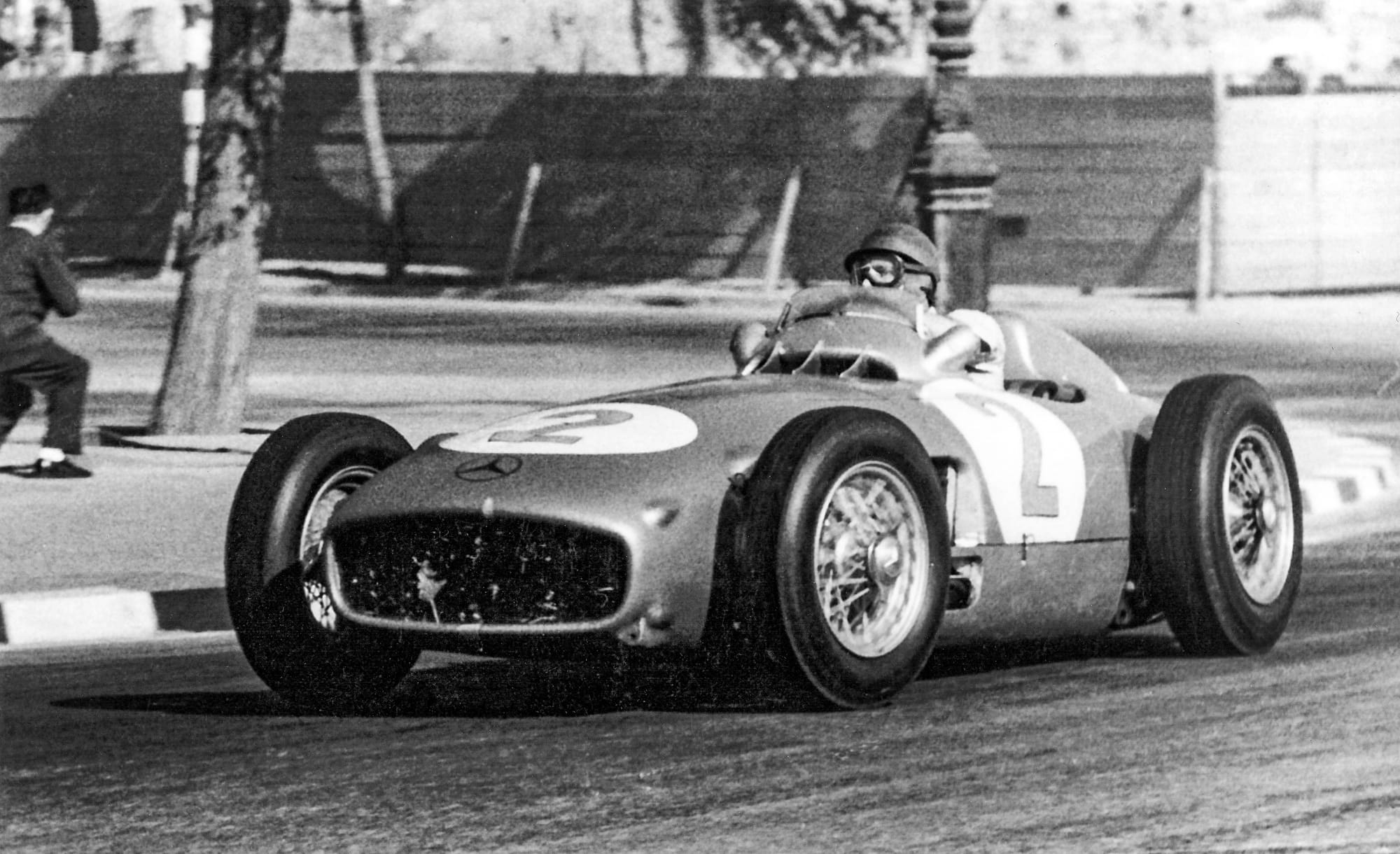
The original GOAT, if that’s not too tautologous, Juan Manuel Fangio was the dominant force in the first era of F1 heroes. His record set the standard by which all drivers were judged until Michael Schumacher surpassed them half a century later.
Unlike Reutemann, he had a brilliant knack for being at the right place at the right time, and that single-minded determination put him at odds with Enzo Ferrari, for whom he raced (and won) for just a single season, but ensured he had a phenomenal record of 24 wins from 51 races. That’s a win rate of 47%!
Fast, smooth, professional, Fangio really had it all, and if Sir Stirling Moss thought he was the greatest of all time, that’s more than good enough for me.
Cory Caouette
2025-05-12 13:32:05 +0000 UTCMatt
2025-05-12 06:36:15 +0000 UTCTony Geran
2025-05-12 06:32:24 +0000 UTC